Why Los Angeles Homes Need a 200-Amp Electrical Upgrade
Los Angeles architecture features mid-century modern ranches in the San Fernando Valley and historic Craftsman bungalows in Pasadena and West Adams. However, the electrical infrastructure inside many older properties serves a different era. Decades ago, homes operated on 60-amp or 100-amp service panels. They handled lighting, a refrigerator, and a small window air conditioning unit. Today, that electrical baseline is obsolete.
The transition toward home electrification places demands on residential power grids. Statewide initiatives to phase out fossil-fuel appliances encourage homeowners to adopt Level 2 electric vehicle (EV) chargers, high-efficiency heat pump HVAC systems, and induction cooktops. Each amenity draws continuous electrical loads. When combined with simultaneous usage of home offices, entertainment systems, and modern laundry appliances, older electrical panels reach their limit.
Identifying warning signs of an overloaded electrical system starts with sensory clues. The flicker when a refrigerator compressor starts, lights dimming during microwave use, or circuit breakers tripping during daily routines indicate that your panel operates at maximum capacity. These symptoms signal that the service panel struggles to distribute power safely across modern appliance loads.
The primary driver for upgrading to a 200-amp electrical panel is safety. Outdated panels, particularly those featuring legacy brands known for thermal magnetic tripping failures, pose a fire hazard. In older Los Angeles architecture, overloaded circuits generate heat within walls, which puts degraded wire insulation at risk of melting. A modern 200-amp system ensures your home distributes current safely, protecting your property and family from electrical fires.
California Regulatory Requirements
Electrical work in Los Angeles is subject to regulatory oversight. Navigating these requirements demands attention to state licenses, energy standards, national codes, and municipal permitting.
CSLB Compliance
In California, any electrical installation, repair, or service upgrade exceeding $500 in combined labor and materials requires a licensed contractor. Homeowners must verify that their chosen professional holds an active C-10 Electrical Contractor license via the Contractors State License Board (CSLB) online portal. Hiring an unlicensed handyman violates state law and voids homeowners insurance policies in the event of an electrical failure or fire.
Title 24 Standards
The California Building Energy Efficiency Standards (Title 24) dictate energy performance mandates for residential buildings. When upgrading an electrical panel, these standards require the inclusion of solar-ready components, surge protection devices, and pathways for future energy management systems to align with state carbon-reduction targets.
NEC 2023 Adoption
Electrical installations across Los Angeles follow the National Electrical Code (NEC). Recent adoptions introduce mandatory Arc-Fault Circuit Interrupter (AFCI) and Ground-Fault Circuit Interrupter (GFCI) protection across residential branch circuits. A professional panel upgrade ensures that your home’s breakers meet safety baselines to prevent ground faults and arc flashes.
City of LA Permitting
Electrical panel replacements within city limits require a permit and inspection through the Los Angeles Department of Building and Safety (LADBS). Obtaining a permit maintains property value and secures insurance coverage. Unpermitted electrical work is flagged during real estate transactions, which derails escrow or forces expensive retrofits.
Ready to Upgrade Your Electrical Panel?
Ensure your home improvement project meets all CSLB and LADBS safety standards. Connect with licensed contractors through Cali Tradesmen to start your electrical service upgrade.
200-Amp Panel Upgrade Cost Breakdown: Los Angeles Market
Investing in a 200-amp electrical upgrade requires understanding the financial scope within the Los Angeles construction market. Pricing reflects labor rates, material availability, utility coordination, and architectural challenges.
- Standard Upgrade (Meter Main + Panel): $3,500 – $5,500. This scope assumes the existing service drop supports the increased load, the meter socket is accessible, and the new panel mounts in the footprint of the old equipment.
- Complex Upgrades (Service Drop Relocation/Undergrounding): $6,000 – $9,000+. Projects requiring overhead-to-underground conversions, service mast relocations to meet clearance codes, or rewiring of the main disconnect demand more labor and specialized hardware.
Primary Cost Drivers
- LADWP Service Line Upgrades: Depending on the neighborhood, the Los Angeles Department of Water and Power (LADWP) may need to upgrade the transformer or drop lines feeding your property.
- Stucco and Drywall Repair: Expanding the footprint of a recessed panel requires patching exterior stucco or interior drywall.
- Knob and Tube Remediation: Uncovering legacy knob-and-tube wiring necessitates replacement circuits to satisfy code requirements.
- Permit and Inspection Fees: LADBS filing fees and plan check costs impact project budgeting.
The Path to a Successful Upgrade
Executing an electrical service upgrade requires a systematic approach led by qualified professionals.
Step 1: The Load Calculation
A licensed electrician performs an NEC-compliant demand factor calculation. This assessment evaluates the square footage of your home, heating and cooling loads, and permanent appliances to confirm that a 200-amp service supports your energy demands.
Step 2: Coordination with LADWP
A panel upgrade requires cutting power at the street or meter. Your contractor coordinates with LADWP to schedule a temporary service disconnection and submits utility paperwork to clear the way for physical installation.
Step 3: Installation and Safety Bonding
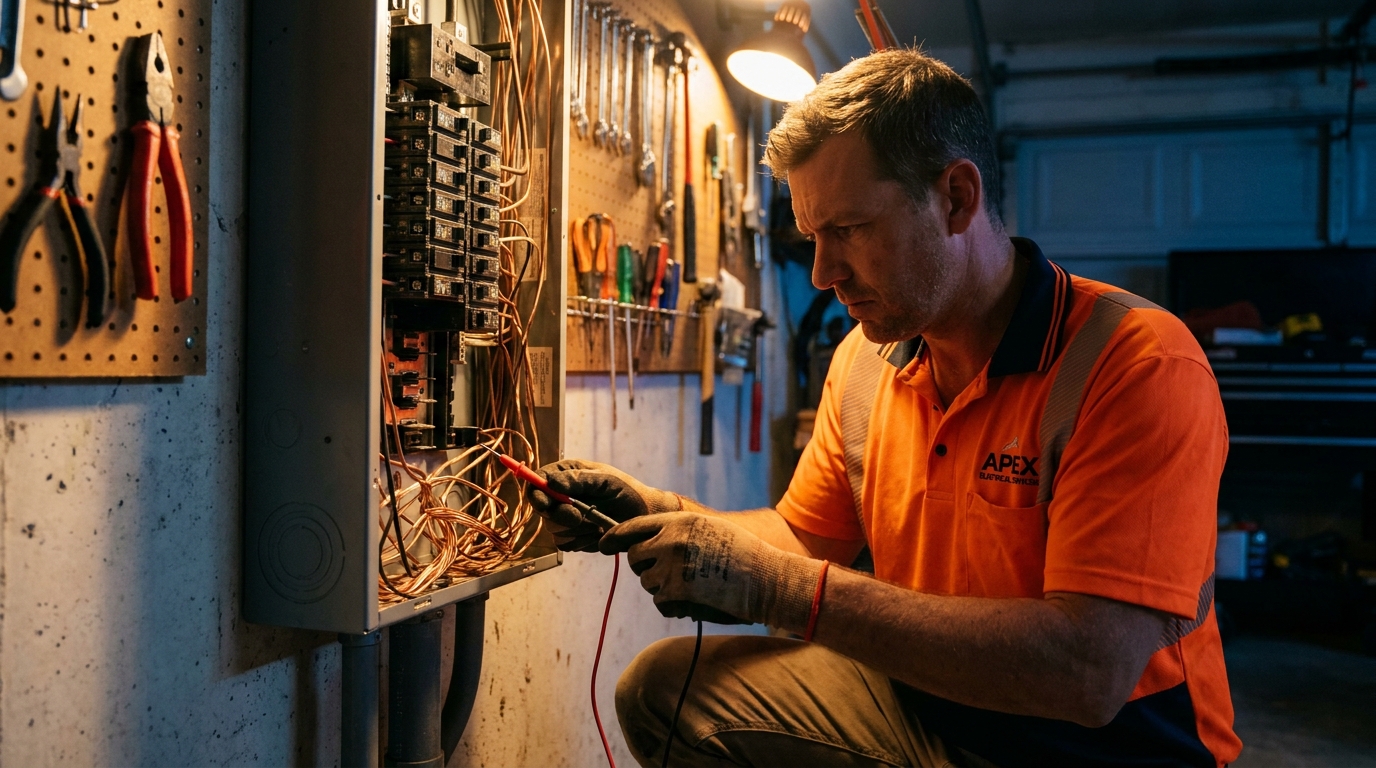
The physical swap involves mounting the new enclosure, running service entrance cables, and establishing grounding and bonding. Electricians run copper grounding conductors to the building’s water main, ground rods, or concrete-encased electrodes to shunt stray electrical energy.
Step 4: Final Inspection
Once installation finishes, the city inspector evaluates the work to verify compliance with the National Electrical Code and local amendments. Passing this inspection secures the final sign-off and closes your LADBS permit.
Top Homeowner FAQs
Do I need to upgrade my service lines from the street?
Not always. The utility service drop from the pole or street vault to your home’s weatherhead is maintained by LADWP. If your existing lines are undersized for 200 amps, your electrician files a service upgrade request with the utility to upgrade their lines during your panel replacement.
How long does the power stay off?
For a standard panel replacement, power is shut off for 4 to 8 hours. Complex upgrades involving service relocation or wire remediation may extend the outage.
Can I add a Tesla Wall Connector or EV Charger at the same time?
Yes. Upgrading to a 200-amp panel provides the electrical headroom required to install a Level 2 EV charger. Many homeowners bundle these projects to maximize efficiency.
Does this increase my property taxes?
Pulling permits for a major home improvement triggers a notification to the Los Angeles County Assessor’s office. Structural system upgrades typically result in a modest, incremental adjustment based on the added value of the new equipment.
Conclusion: Investing in Your Home’s Infrastructure
Upgrading to a 200-amp electrical panel is a foundational investment in the safety, efficiency, and value of your Los Angeles property. By eliminating fire hazards associated with overloaded circuits and preparing your home for modern electrification, you protect your household while positioning your property for future technological demands.
When planning this upgrade, prioritize experienced workmanship and regulatory compliance over the lowest bid. Ensuring that your project satisfies CSLB guidelines and LADBS permit requirements safeguards your investment.
Connect with Vetted Local Electricians
Ready to upgrade your home’s electrical capacity safely and legally? Request a quote from local contractors through Cali Tradesmen today.
Leave a Reply